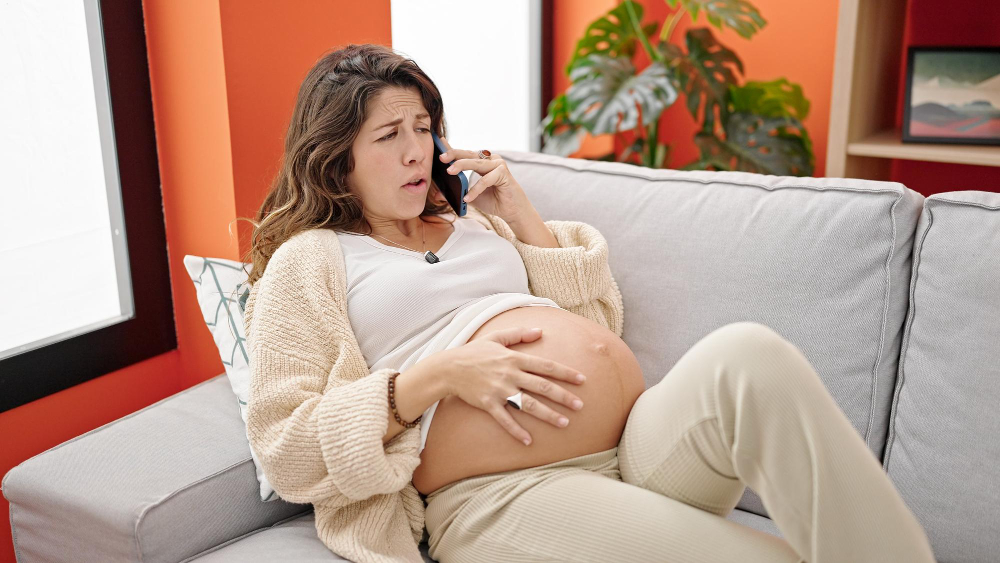
What is Eclampsia?
Eclampsia is a severe pregnancy complication. It causes seizures in women who have high blood pressure during pregnancy. Often, it follows a condition called preeclampsia. Because eclampsia can harm both mother and baby, it is a true emergency. In fact, quick action can save lives. Eclampsia is rare, but it is very serious. It is one of the leading causes of maternal health problems worldwide. According to the World Health Organization, eclampsia is more common in some regions, especially where prenatal care is limited.
Symptoms of Eclampsia
Recognizing the signs of eclampsia is important. Early treatment can prevent serious harm. While some symptoms may seem mild at first, they can quickly become dangerous. Watch for these warning signs:
Sometimes, symptoms appear quickly. However, they can also develop slowly over days or weeks. If you notice any of these signs, seek help right away.
Causes and Risk Factors
Eclampsia usually develops from preeclampsia. Preeclampsia is a condition marked by high blood pressure and protein in the urine during pregnancy. While the exact cause of eclampsia is not fully known, several factors can raise your risk. For example, you may be more likely to develop eclampsia if you:
Additionally, lack of regular prenatal care can increase the risk. Therefore, attending all prenatal visits is important.
How Eclampsia is Diagnosed
Doctors use several steps to diagnose eclampsia. First, they check your blood pressure. Next, they test your urine for protein. Blood tests may also be done to check your liver and kidney function. If you have seizures during pregnancy, doctors will look for other signs of preeclampsia. Sometimes, they may order imaging tests to rule out other causes. Early diagnosis helps prevent serious problems for both mother and baby.
Treatment Options
Treating eclampsia is urgent. The main goal is to stop seizures and lower blood pressure. Doctors often use medicines such as magnesium sulfate to prevent more seizures. Blood pressure medicines may also be given. In many cases, delivering the baby is the best way to protect both mother and child. However, doctors will decide the safest time for delivery. After treatment, close monitoring is needed to prevent further problems.
Prevention and Lifestyle Tips
While not all cases of eclampsia can be prevented, you can lower your risk. Here are some helpful tips:
Additionally, if you have a history of high blood pressure or preeclampsia, let your doctor know early in pregnancy.
When to Seek Emergency Care
Eclampsia is a medical emergency. If you notice any of the following, seek help immediately:
Quick action can save your life and your baby’s life. Never wait if you feel something is wrong. Call emergency services or go to the nearest hospital right away.
If you notice any symptoms of eclampsia, consult Dr. Pooja Gundam for personalized care.